Tinnitus can feel overwhelming, especially in the beginning. The sound is bothering you, doctors say there’s no cure, and online forums are filled with horror stories. But after 6 years of living with tinnitus and helping over 1,000 people find relief, I’ve learned which habits make a real difference and which make things worse.
These are the top-5 good tinnitus habits I recommend to anyone dealing with ringing in the ears.
Good Habit #1: Not Worrying About Tinnitus
If you’ve been googling tinnitus, chances are you’ve read that there’s no cure and stumbled upon endless stories of depression, anxiety, and hopelessness. That message alone can send your brain into panic mode. When I first developed tinnitus, I had the same reaction. I couldn’t sleep, concentrate, or relax. My tinnitus was loud and overwhelming.
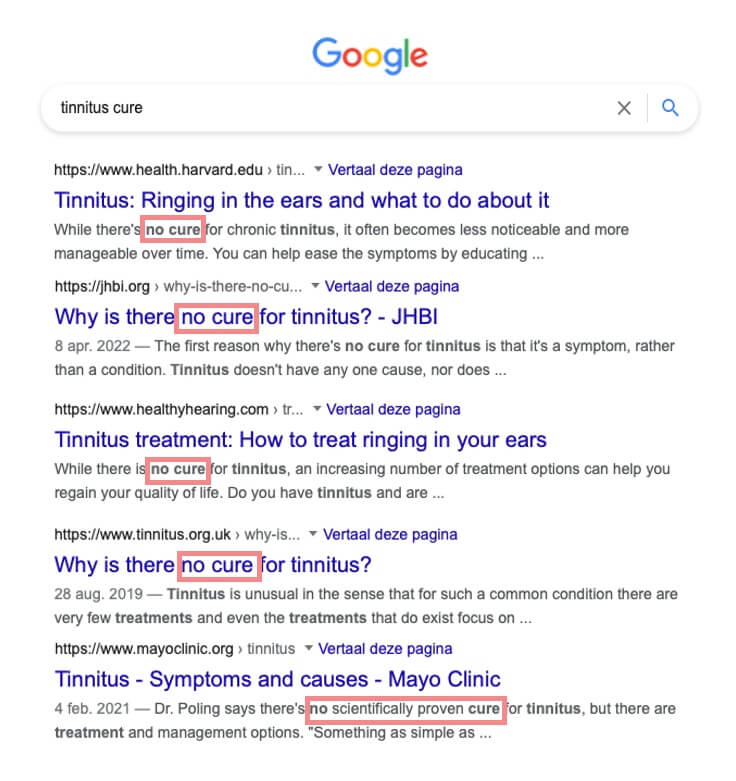
Yet today, I live a happy life despite tinnitus. I often don’t even hear the sound and can enjoy silence again and I no longer worry about tinnitus. Worrying only makes tinnitus worse. The fear that tinnitus will ruin your life is not only untrue, it also keeps your brain stuck in survival mode.
Tinnitus isn’t dangerous. It doesn’t mean you’ll go deaf or lose your mind. It will get better through a powerful process that uses the brain’s neuroplasticity to tune out the tinnitus signal. This process is called habituation.
Good Habit #2: Trust in Habituation and Be Patient
When tinnitus first appears, your fight-or-flight system kicks in. This is your brain’s survival mechanism, an ancient response to potential danger, like a wild animal hiding in the bushes. Your body goes into high alert: heart rate increases, muscles tense, digestion slows.
Tinnitus triggers the same response. But there’s no real danger (do get yourself checked at your doctor to be sure). With habituation, your brain learns that the tinnitus sound is not a threat. It gets used to the tinnitus sound and stops reacting to it. In other words: with habituation, your brain learns that it’s not a threat, and gradually begins to filter it out. Over time, the stress response fades. You sleep better, feel calmer, and stop obsessing over the sound.
The process takes time, usually between 6 and 18 months, and it isn’t a straight line. You’ll have good days and bad days. That’s normal. The key is to believe in the process and be patient.
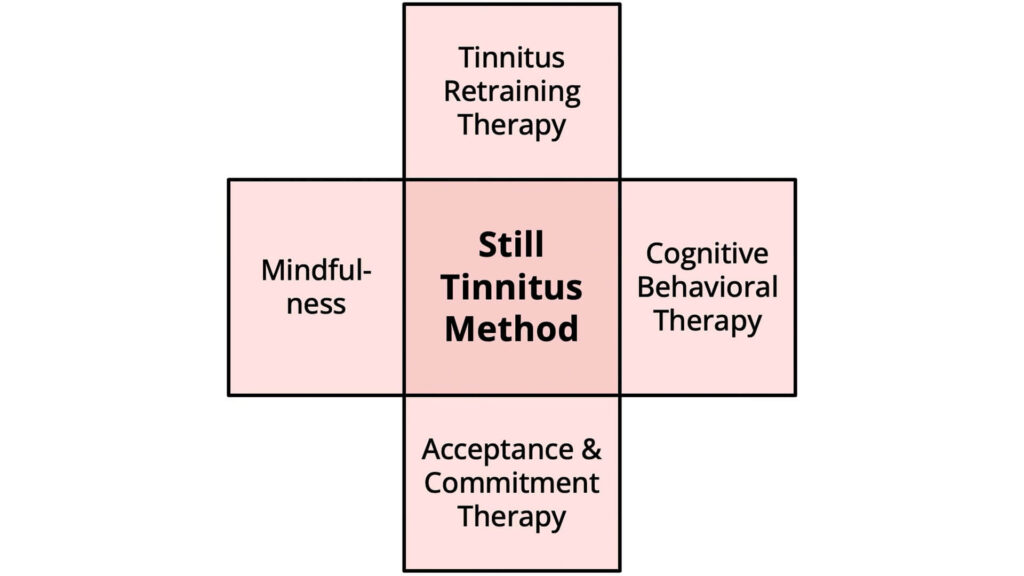
Some people habituate naturally. But if your tinnitus isn’t getting any better, I’ve developed a scientifically proven method that helps you accelerate habituation. If you’re interested, start by watching my free webinar.
Good Habit #3: Build Physical and Mental Resilience
Resilience means having the energy and capacity to bounce back from setbacks. Because your brain is working overtime to deal with tinnitus, your energy drains quickly. And if your body and mind are run down, habituation slows. But when you’re healthy and rested, your brain is better equipped to filter out the sound.
Here’s how to build resilience:
- Keep exercising. Even if workouts temporarily spike your tinnitus, don’t stop, rather adjust the intensity. For example, switch a running session to a brisk walk. Aim for at least 30 minutes of movement daily.
- Eat well. Focus on whole foods, avoid refined sugar, limit alcohol, and eat plenty of vegetables and fruits.
- Prioritize sleep. No screens an hour before bed, avoid intense conversations late at night, and check whether your pillow or mattress needs replacing.
Ignore the trendy advice that claims you can cure tinnitus with meat-only diets or cold plunges. These won’t cure tinnitus, though a healthy lifestyle absolutely supports faster habituation.
Good Habit #4: Be Selective In Who You Trust
There’s no shortage of tinnitus advice online. Unfortunately, much of it is misleading. Forums are full of unproven suggestions like ginkgo biloba, acupuncture, and strict diets.
Before you follow tinnitus recommendations, ask yourself:
- Who is giving this advice?
- Do they have relevant qualifications?
- Have they published credible work in the tinnitus field?
- Are they referencing broader clinical results, or just personal anecdotes?
Not to brag, but I hold a master’s in BioMedical Engineering, have studied tinnitus for over 6 years, read more than 250 scientific papers, and trained under tinnitus pioneers like Dr. Pawel Jastreboff and Dr. Steven Hayes. If you ever doubt a claim or don’t know whether to trust a source, feel free to leave a comment here and I will respond to it.
Good Habit #5: Meditate Regularly
Meditation has been scientifically proven to improve relaxation, emotional well-being, and sleep quality. It also reduces tinnitus distress. You don’t need to sit cross-legged for hours and it’s sufficient to meditate for just 15 minutes a day. I’ve meditated daily for a decade, and it has helped me a lot in finding tinnitus relief.

There are many apps to get started, like Headspace, Insight Timer, and Calm. You can also download the Still Tinnitus App for free in the App Store or Google Play store. It includes guided meditations and tinnitus relief sounds designed to improve your sleep.
Free Tinnitus Webinar
If you found this helpful, I recommend joining my free tinnitus webinar. There, I will explain how the Still Tinnitus method can help you to calm your tinnitus and reclaim your life, without traveling, wait times, or group sessions. Even though there’s no cure for tinnitus, a full recovery is possible. Hang in there, and see you in the webinar!