When people think of preventing tinnitus, they often imagine a life without music, concerts, or fun. But the truth is, you can protect your ears without living in fear. Here are my top-5 tinnitus prevention hacks based on years of research and experience of helping over 1,000 people get tinnitus relief.
Hack #1: Don’t Fear Tinnitus
One of the most overlooked causes of chronic tinnitus is fear. How you respond to tinnitus can cause one person to develop problematic tinnitus, while the other one isn’t bothered by it. Let’s see how that works.
In the illustration below, we have 2 people who both develop tinnitus. One of them (the green arrows) shrugs it off, thinking: “My neighbour has this too, it’s just the sound of your brain.” This person reads a few articles, doesn’t obsess over it, and moves on. The tinnitus fades into the background and becomes irrelevant.

The other person (red arrows) hears the same sound, but panics. They remember hearing horror stories about people being driven mad by ear ringing. Their brain goes into fight or flight mode, associating the sound with danger. The result is more tension, more stress, and heightened sensitivity to sound. The tinnitus gets louder, scarier, and becomes a big problem (this was me).
Fear amplifies tinnitus. If you hear ringing in your ears, your reaction matters more than the sound itself. Stay calm. Don’t panic. Don’t make it worse by spiraling into stress and watch my free webinar to help you calm down.
Hack #2: Avoid Tinnitus Forums
If you start googling tinnitus, chances are you’ll stumble onto tinnitus forums filled with stories of misery. These forums are magnets for people who are struggling. But they don’t represent the full picture.
Most people whose tinnitus fades away or becomes manageable simply stop posting. That means you’re only seeing the worst cases. It creates a false reality, making you think tinnitus is always unbearable, which it isn’t.
In fact, tinnitus goes away on its own for many people. And of those who do keep hearing it, 98% learn to live with it without suffering. So if you want accurate information, stick to expert channels like this blog, hospital websites, or trusted organizations like the American Tinnitus Association.
Hack #3: Protect Your Ears from Loud Sounds
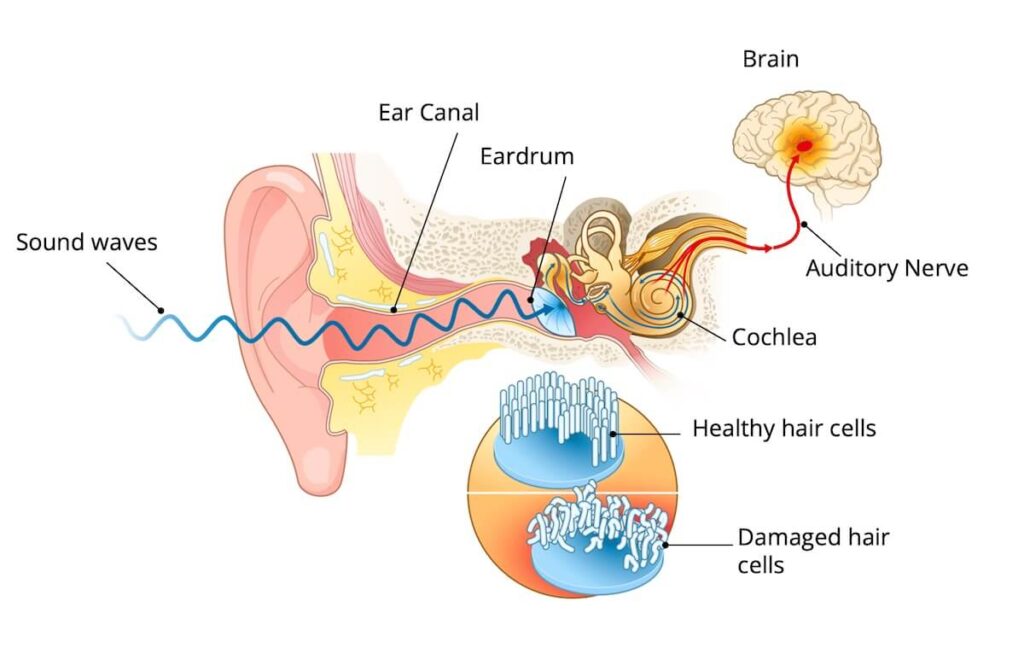
Over 80% of tinnitus cases are linked to some degree of hearing loss. The most common cause? Damage to the tiny hair cells in your cochlea, the part of your inner ear that transmits sound signals to your brain.
Once damaged, these cells can’t be repaired. Your brain tries to compensate for the lost input by creating phantom sounds, what we experience as tinnitus.
How To Protect Your Ears
There’s a lot to learn about hearing protection, but here are some basic rules:
- Follow the 1 meter rule: If you need to shout to be understood from a meter away, wear earplugs.
- Use the NIOSH app: iPhone users can download this app here to measure decibel levels. If the sound exceeds 90dB, it’s time to put your earplugs in. Don’t overdo it and become afraid 10 minutes in 90dB will damage your hearing immediately. Unfortunately, there are no reliable sound measurement apps for Android because the hardware in Android phones is not standardised.
- Choose the right ear protection. Use special music filter earplugs (like Alpine plugs) or wear earmuffs.

Hack #4: Don’t Fear Sound
After developing tinnitus, some people start overprotecting their ears. They wear earplugs in movie theaters, avoid music altogether, or use noise canceling headphones all day. This can backfire. The brain starts amplifying sound to compensate, and suddenly everyday noises feel overwhelming. That’s how I got hyperacusis, and while you can often get rid of that completely, it’s not something you want to have alongside your tinnitus.
So use hearing protection wisely. Don’t avoid all noise. It’s not about fearing sound, it’s about managing exposure, not eliminating it.
So what exactly is sound exposure?
Hack #5: Think of Noise Like Sun Exposure ☀️
Worried that one concert will ruin your ears? Think of noise like sun exposure. One day without sunscreen won’t give you skin cancer. But hours of intense sun, day after day, increase your risk.
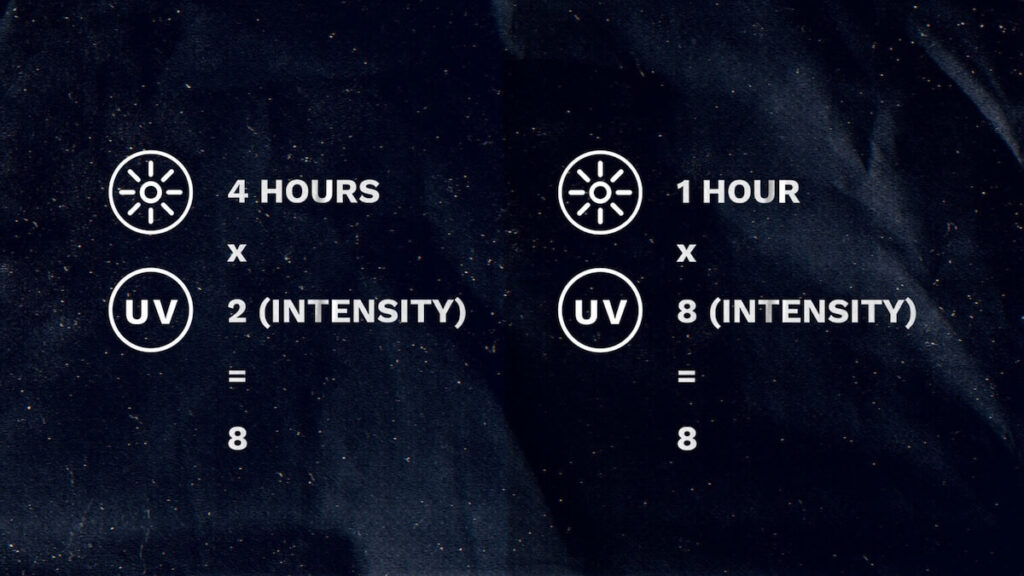
It’s the same with sound. Total exposure is a function of how long your listen to loud sounds multiplied by the intensity of that sound.
Exposure = time x intensity (for both sun and sound)
Take the example in the illustration below. Spending 4 hours in the sun with UV factor 2 equals an exposure of 8. That’s the same as spending 1 hour on a tropical island where the UV factor is 8. It’s the same with noise exposure.
Short exposure to loud noise, like in a club, can temporarily beat down the hair cells in your ears. This is called a ‘tinnitus disco-dip’ causing you to hear temporary tinnitus the next day. Your ears may recover after rest, but if this happens too often, some cells won’t bounce back and break, causing permanent damage. That raises your chances of developing tinnitus later on.
So treat noise like UV rays. Be mindful, protect yourself when needed, but don’t let fear take over your life.
Free Tinnitus Webinar
If you found this helpful, I recommend joining my free tinnitus webinar. There, I will explain how the Still Tinnitus method can help you to calm your tinnitus and reclaim your life, without traveling, wait times, or group sessions. Even though there’s no cure for tinnitus, a full recovery is possible. Hang in there, and see you in the webinar!