If you’re one of the millions of people suffering from the constant ringing, buzzing, or hissing sounds of tinnitus, it’s time to take action. While there may not be a permanent cure for this condition just yet, there are certain habits you can stop right now that will provide significant relief and help you manage your tinnitus more effectively.
Bad Habit #1: Worrying That Tinnitus Is the End of the World
It might feel like your life is over now that you have tinnitus, but the numbers tell a different story. As much as 1 in 6 people experience tinnitus. That means if you know 30 people, about 5 of them also hear a ringing or buzzing sound in their ears. So do you have 5 people around you who are constantly complaining about tinnitus? Probably not.
That’s because most people aren’t bothered by their tinnitus. They hear it, recognize it as a harmless sound from their brain, and continue living their lives. Others do struggle, especially in the beginning. But the research is clear: almost everyone can reach a point where tinnitus calms down and no longer affects their quality of life.
In the early days, my tinnitus was incredibly loud. On a scale of 1 to 10, it was a solid 9. Now it’s down to a 1 and some days, I don’t hear anything at all. I also went through that terrifying phase where I thought nothing would ever be the same again. But that panic only fed the tinnitus.
Bad Habit #2: Endlessly Reading on Tinnitus Forums
Online tinnitus forums are filled with despair. People post about how hopeless they feel, and when you’re in that same state of mind, it’s tempting to read those stories. The problem with this is that you’re only seeing a small, biased snapshot of the tinnitus experience. People who have found ways to successfully manage their tinnitus and move on with their lives are unlikely to be actively posting on these forums.
If someone isn’t bothered by their tinnitus anymore, they move on. They don’t spend time on forums full of negativity. That means you’re only seeing the worst stories, usually from people who couldn’t get the right help or are still stuck in the early stages.
Even worse, these forums are often filled with unproven advice. You’ll find people recommending everything from avoiding coffee to taking ginkgo biloba pills, quitting exercise, or changing your diet based on pure guesswork. It’s like walking into a bar and asking for help with alcoholism.
The more you read these forums, the more stressed and hopeless you’ll feel. Which in turn can lead to louder tinnitus. If you’re serious about your recovery, put a sticky note on your laptop or fridge with the words “No Forums” and stick to reliable information and proven methods.
Bad Habit #3: Constantly Checking Your Tinnitus
This was one of my worst habits when I first got tinnitus. I would walk into quiet rooms, close my ears, and listen carefully. Is it louder? Has it moved? Is it higher pitched?
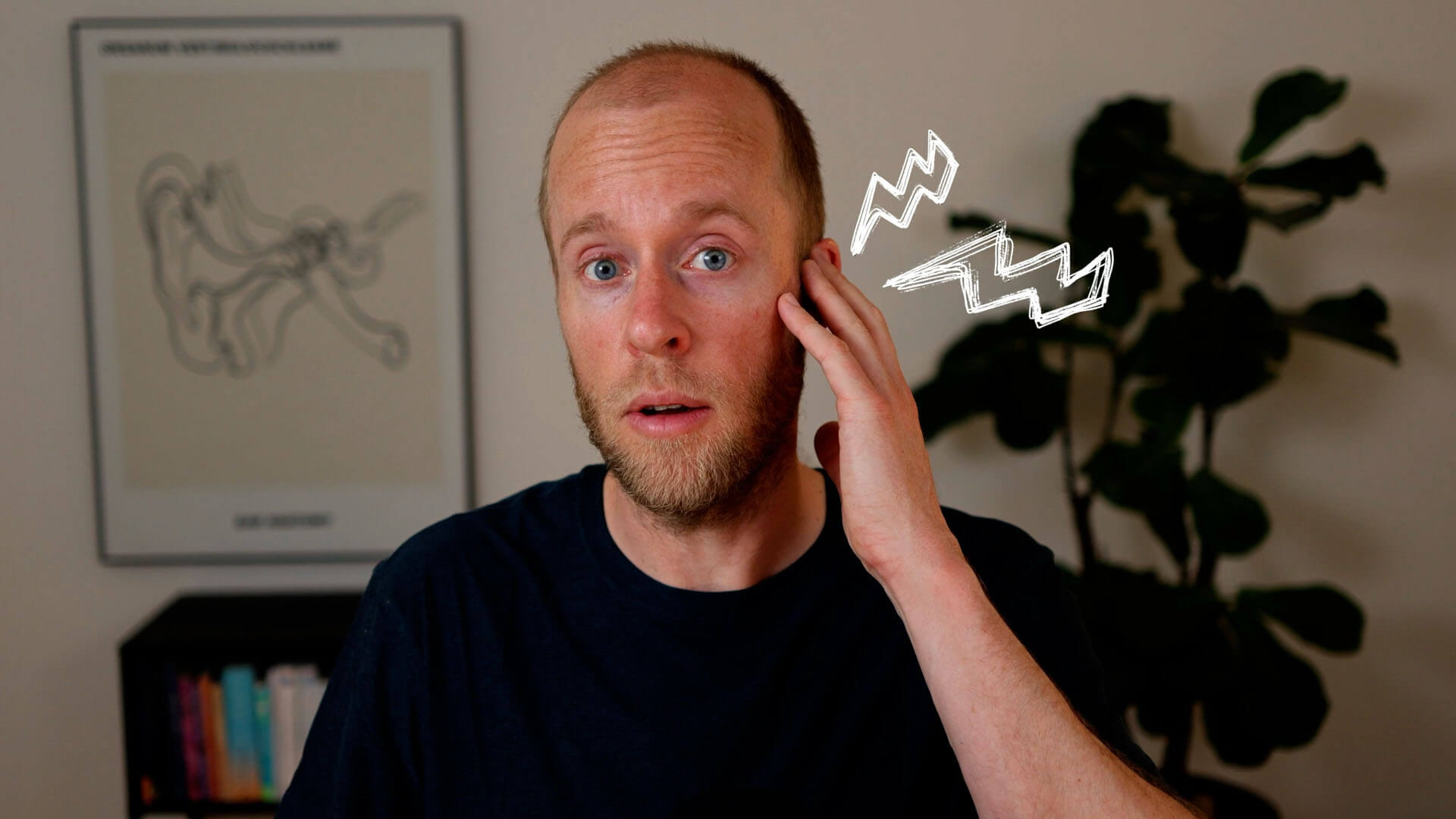
Every time I checked, I reinforced the idea that tinnitus was dangerous. Our brains are wired to react to threats. Just like hearing a rustle in the bushes would’ve triggered a fight or flight response thousands of years ago, constantly checking tinnitus activates the same stress system.
And that stress response is a big reason why tinnitus can feel worse. It’s hard to stop checking, but do try to because it doesn’t help you. Avoid the temptation to constantly check your tinnitus by closing your ears and carefully listening for changes in the sound. And if you slip up, don’t be angry with yourself. It’s part of the process.
Instead, focus on activities and mindfulness practices that can help you shift your attention away from the tinnitus and reduce your overall stress levels. If you find it difficult to break this habit, consider joining my free webinar for more guidance on how to stop the cycle of continuous monitoring.
Bad Habit #4: Over-protecting Your Ears
Tinnitus is often linked to hearing loss, so it makes sense to want to protect your ears. But many people go too far. I did it too. I avoided music festivals, wore earplugs in movie theaters, and used noise cancelling headphones all day. The result? I developed hyperacusis, or over-sensitivity to sound.
By cutting out normal sound, I trained my brain to turn up the volume. Suddenly, even a friend’s laughter became painful to me. The good news is, hyperacusis can go away completely with tinnitus treatment. But in the meantime: don’t overprotect your ears.

A good rule is this: if you need to shout to talk to someone standing one meter away, wear earplugs. Otherwise you’re probably over-protecting your ears. I always keep a pair of Alpine MusicSafe earplugs with me. They lower the volume without ruining the sound.
My advice for hearing protecting when you have tinnitus:
- Wear earplugs or noise-cancelling headphones only in situations where the volume is truly too loud, such as at a concert or in a noisy work environment.
- Avoid completely isolating yourself from normal, everyday sounds, as this can lead to the development of hyperacusis.
- Consider investing in a pair of special high-fidelity earplugs which allow you to still hear music and conversations clearly while providing adequate protection.
Bad Habit #5: Keep Hoping for a Cure
The final habit might be the hardest to hear. There’s no cure for chronic tinnitus. Yes, it might disappear on its own, especially in the first few months. But while there are ongoing research efforts and promising developments in the field of tinnitus treatment, the reality is that there is no single, universal cure available at this time.
That doesn’t mean there’s no hope. It just means you shouldn’t waste your time chasing miracle pills or secret treatments. The internet is full of fake solutions, from shady influencers to sketchy supplement companies. I’ve read the studies. I’ve done the research. There is no cure on PubMed or Google Scholar.
The real way forward is through habituation. You can learn to sleep better, concentrate again, and live your life fully, even with tinnitus. But only if you stop clinging to false hope and start focusing on what actually helps.
Free Tinnitus Webinar
If you found this helpful, I recommend joining my free tinnitus webinar. There, I will explain how the Still Tinnitus method can help you to calm your tinnitus and reclaim your life, without traveling, wait times, or group sessions. Even though there’s no cure for tinnitus, a full recovery is possible. Hang in there, and see you in the webinar!