Falling asleep with tinnitus can feel like a battle. But what if some of your bedtime habits are actually making things worse? In this blog I share my top-5 worst tinnitus sleep habits and what you can do instead.
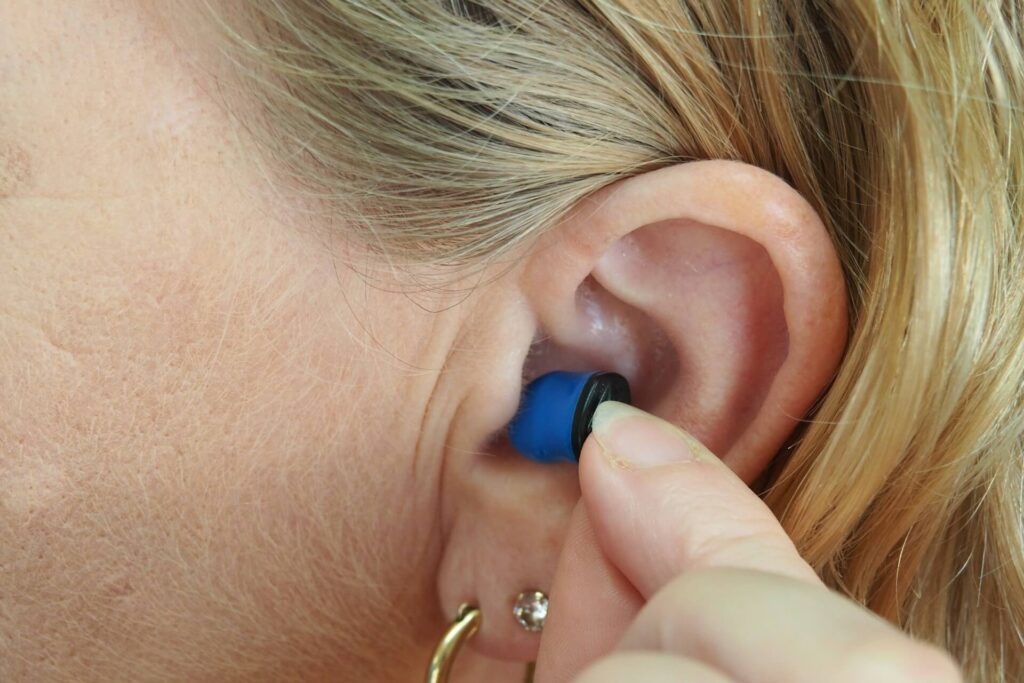
Bad habit #1: Wearing Earplugs to Bed
At first, it may seem like a good idea to block out all sound. But for someone with tinnitus, earplugs can backfire.
When the environment is too quiet, your brain, which is already in fight or flight mode due to tinnitus, becomes even more alert. It starts scanning for potential danger, and in the absence of other sounds, it locks onto your tinnitus. Even during sleep, this internal hypervigilance continues.
That’s why many people wake up in the middle of the night, or in the morning, with their tinnitus sounding even louder than before. Sound familiar?
What to do instead
Gradually reduce your reliance on earplugs. Maybe you think you’ll never be able to sleep without them. That’s understandable. Many people feel the same at first, but it does get easier. One helpful step is using specialized masking sounds that distract your brain without overstimulating it.
Bad Habit #2: Falling Asleep to Music or Podcasts
Many people try to drown out tinnitus with music, audiobooks, or podcasts. While this may seem like a quick fix to help you fall asleep faster, it doesn’t actually support healthy sleep.
Your brain remains engaged, processing melodies, lyrics, storylines, or conversations. It’s not truly winding down. This may offer temporary distraction, but distraction is not the same as calming your nervous system.
What to do instead
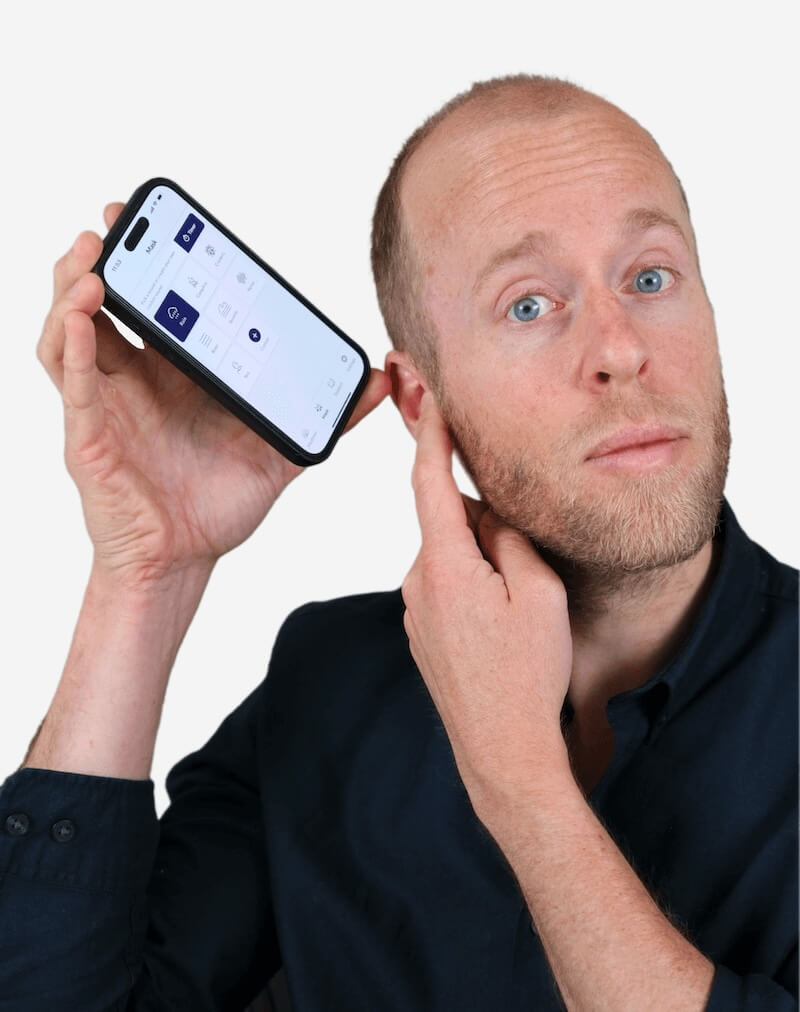
Use proper tinnitus retraining therapy (TRT) masking sounds. These are specifically designed to promote habituation and restful sleep. Unlike entertainment audio, the right masking sounds create a steady, neutral background that helps your brain tune out the tinnitus gradually. You can find proven Tinnitus Retraining Therapy based masking sounds in the free Still Tinnitus app. You can download it in the App Store or Google Play store. It’s completely free, no credit card or personal info required.
Bad Habit #3: Insisting on Sharing a Bed
If your partner snores, moves a lot, or follows a different sleep schedule, it can seriously interfere with your sleep, especially when you are still in the first stressful phase after getting tinnitus.
What to do instead
Sometimes, real recovery requires drastic measures. And this is one of them. Consider sleeping separately for a while if it means better sleep. It’s not about your relationship, it’s about giving your brain the rest it needs to heal. Don’t feel ashamed or guilty. In fact, sleeping alone often means deeper rest, more control over your environment, and the ability to play your masking sounds freely. It will help you get better faster, and that’s in everyone’s interest.
Bad Habit #4: Drinking Alcohol Before Bed
A drink in the evening might feel like a way to unwind, but alcohol does more harm than good. It reduces your sleep quality, makes you more likely to wake up during the night, and can amplify your tinnitus.
Many people believe alcohol helps them fall asleep, but that’s an illusion. It sedates you, but disrupts the deep, restorative phases of sleep your nervous system needs.
What to do instead
Replace your evening drink with a calming herbal tea, or go for a short walk. Don’t restock your fridge with alcohol, and avoid keeping cold beer readily available, for instance. It’s easier to skip the habit when it’s not right in front of you. Also, drinking every day increases the urge to keep drinking. But as soon as you stop for a few weeks, that urge naturally fades.
Bad Habit #5: Doomscrolling in Bed
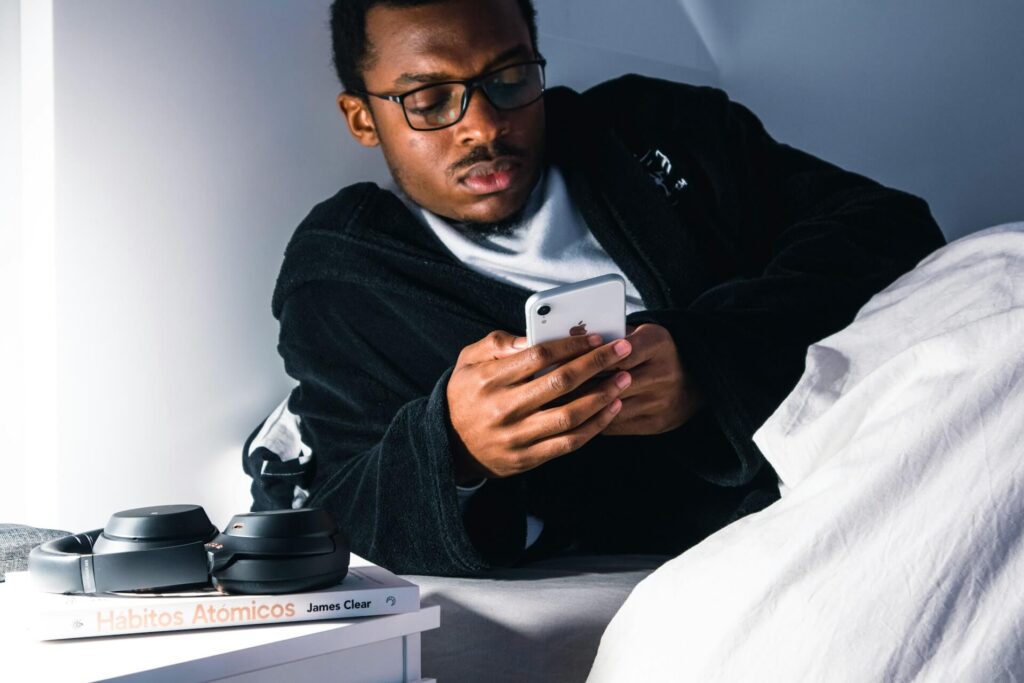
Even people who’ve made significant progress with their tinnitus can fall into this trap. Using your phone in bed, whether it’s checking social media, news, or work email, keeps your brain active and alert.
Even if you’ve turned on a blue light filter, the mental stimulation still delays melatonin production and prevents your brain from truly relaxing. Phones are addictive, and reaching for them at night becomes automatic.
What to do instead
Place a sticky note on your nightstand that says: “No Phone!” Replace your screen time with calming rituals: take a warm bath with relaxing bath oils, meditate, or read a quiet novel or something lighthearted.
If your mind is busy with work, set a daily reminder at 5 PM to write a to-do list for tomorrow. That way, your thoughts are out of your head and on paper, so you don’t lie awake thinking about them later.
More Proven Habits
If you found this helpful, I recommend joining my free tinnitus webinar. There, I will explain how the Still Tinnitus method can help you to calm your tinnitus and reclaim your life, without traveling, wait times, or group sessions. Even though there’s no cure for tinnitus, a full recovery is possible. Hang in there, and see you in the webinar!